

Nelson’s BioProtect project uses eDNA sampling as a cost-effective alternative to traditional survey methods to detect even hard-to-find creatures, giving a much clearer picture of the diversity living along our shores.
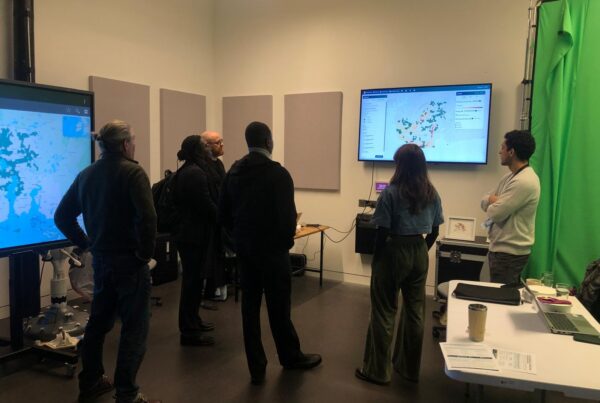
On 14 November, Cawthron Institute hosted the first planning hui, bringing together stakeholders from across the region. Nelson City Council’s Coastal and Marine Scientist, Dr Harry Allard and Cawthron’s project leaders Ds Dan Crossett, Pablo Saenz and Paula Casanovas were there as the group discussed site selection and planned for December’s sampling days.
Based on feedback from the hui, several new locations have been added to the survey, including the Wakapuaka River, Horoirangi marine reserve boundaries, and a wider stretch of coastline northwards towards Cape Soucis. The sampling will use a combination of single-point samples and week-long deployments of innovative passive DNA samplers.