
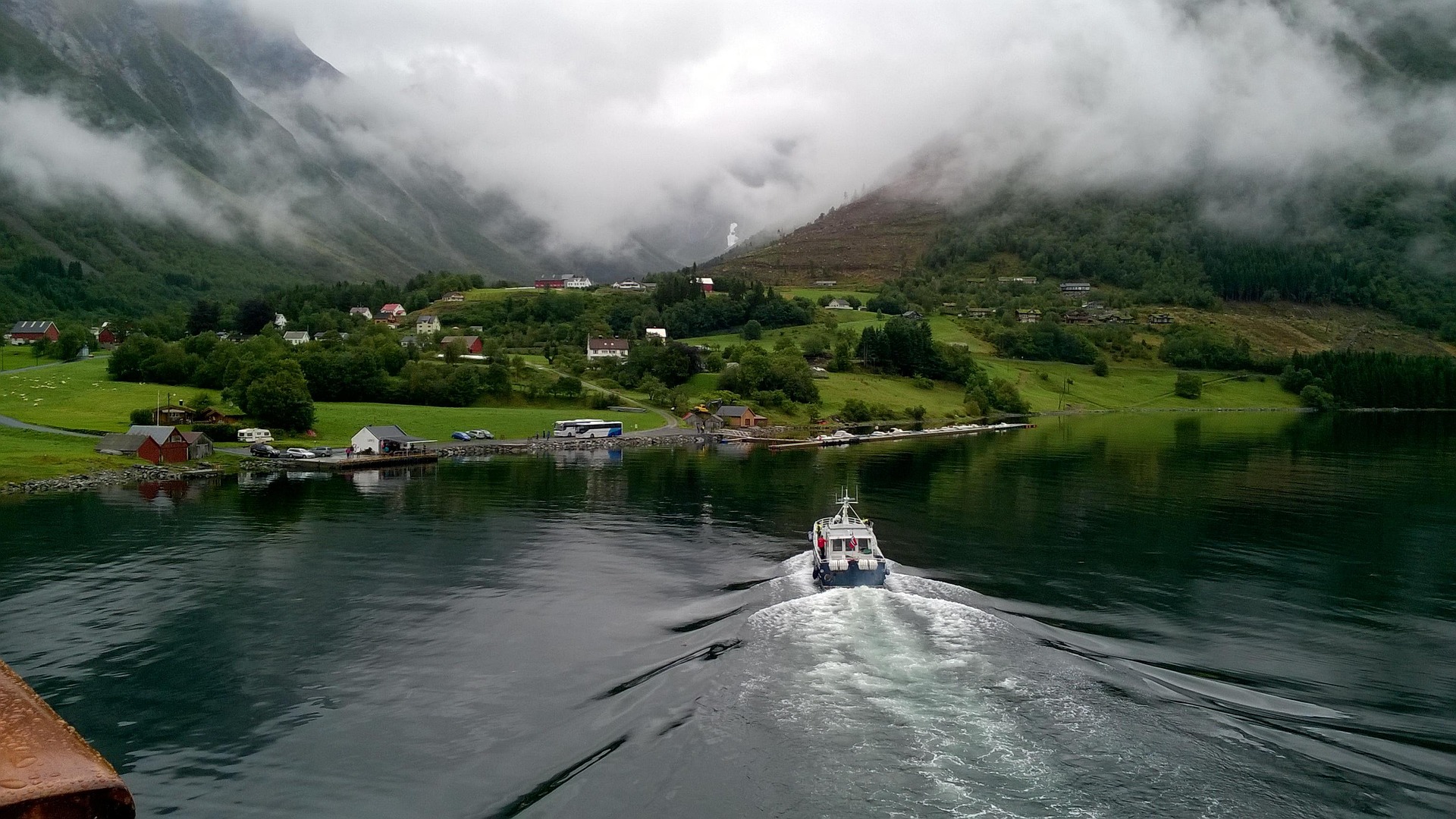
Norway’s iconic fjords, renowned for their dramatic beauty and rich marine life, are facing mounting environmental threats. Rising water temperatures, darkening waters, and declining oxygen levels are altering ecosystem productivity, while human activities such as cruise tourism, fishing, aquaculture, and the spread of invasive species add further pressure.
In southern Norway, the Oslofjord has been described as a “graveyard” due to overfishing and eutrophication. Further north, activists in Finnmark are opposing copper mining developments that could severely impact Repparfjord, while legal proceedings continue over plans to dump 170 million tons of mine tailings into Førdefjord—an issue that has sparked national and international concern.
These fjords, some of which are designated UNESCO World Heritage sites, symbolise Norway’s natural heritage and shared global responsibility for marine biodiversity. The question of how to manage them sustainably and fairly was at the heart of a recent debate at the “Hotter, Wetter, Wilder” Climate Festival, held in Bergen from 9–13 March.
During the discussion, Mette Skern-Mauritzen from Norway’s Institute of Marine Research (IMR) contributed insights drawing on her experience from the Norwegian Demonstration Site under the Bioprotect project, highlighting the need for knowledge-based, ecosystem-based management that balances conservation, climate resilience, and economic activity.

Photo: Øystein Haara / Varmere Våtere Villere